
Hiking Safety Tips
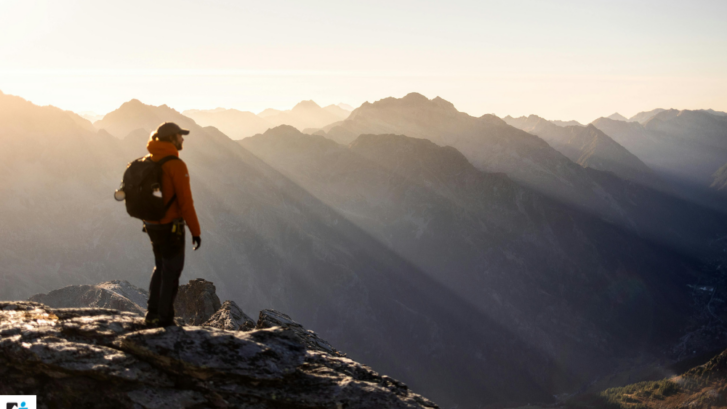
Whether you’re making your way up a mountain to catch a view of the landscape, or traversing downhill to see a beautiful ocean sunset on the horizon, hiking is maybe the most romantic and majestic form of exercise. It’s a bridge into the natural world, the old forgotten earth, and allows us to understand how insignificant we are in the grand scheme. A view of a paradise yet to be corrupted by industry and commercial progress helps us understand that our lives are far more precious than what we’re told to believe in the gilded cage of the modern city.
Hiking could be the best way to stay active, reduce stress, and enjoy the beautiful views of mother nature. No matter how short, long, dangerous, or fun the hike is, it is important to prepare in order to have a safe time.
At Healthpointe, we actively encourage and promote health-oriented lifestyles and outdoor activities. With this in mind, safety and health should always be a hiker’s number one concern. Here are some hiking safety tips that everyone can utilize before they hit the trailhead.
Are We There Yet?
What’s the Route?
It is imperative to know where you are going, along with any potential elevation details, the timeframe, access to trailheads, and weather conditions. Use the official National Parks Service app and other online resources to have a better understanding of the details of your hike. It is important to know the general skill level of your group and to know if you can help others work through difficulties on the trail. Make sure to stay on the trail, as walking on unmarked paths can raise various risks, such as access to aid, if needed.
Remember to check the NPS app to see if there have been any closures or other alerts for the area, as well as where to find parking and restrooms. Be sure to let others know that you’re hiking and when they should expect to hear from you, just in case. This will help prevent emergencies from turning into disasters.
What Should I Bring?
What are the essentials?
The National Park Service has compiled an excellent list of hiking tools, including:
- Navigation tools, such as a comprehensive map, compass, and a reliable GPS system (often on mobile devices).
- Protection from the sun, such as a hat, sunscreen, and sunglasses.
- An extra pair of clothes just in case you need it, such as if the heat exponentially increases or decreases on your journey, or if you get soaked by a brief rain. Wear long sleeve shirts if you’re in a forest or another area riddled with ticks and other pests.
- Headlamps and/or flashlights.
- A first aid kit.
- A fire starter, such as matches.
- A multitool and repair kit.
- Food and water. Always bring more than you need so you don’t run out. Store it as securely as possible!
- Tents or other forms of emergency shelter, such as bivy sacks.
- Insect repellent. Make sure to do a tick check after the hike as well. The CDC has recently issued warnings regarding an increase in tick-related illnesses in the United States.
- Walking poles.
- Bear spray and a horn to ward off any potential encounters with aggressive or defensive wildlife. You can save yourself in an emergency, but be sure to keep your distance, and nip your curiosity in the bud to avoid reckless and dangerous situations with the creatures that call your hiking trail home. Make sure to check the link provided for more information regarding the rules and regulations of legal bear spray use.
What do I wear?
What’s in season?
Proper clothes and footwear will help prevent falls, blisters, chafing, and other potential injuries.
Some recommended hiking gear includes:
- Supportive hiking shoes or boots. Make sure they are worn in before going on a rigorous hike.
- Moisture wicking socks.
- Light and breathable clothing.
- Clothing and hats optimized to prevent sunburns, such as sun shirts made with UV protection.
Know Your Limits
It’s valuable advice for experts and novices alike to not push yourself beyond your limits. The longer the hike goes, and the more tired you get, the more accidents are likely to occur.
- Take regular breaks for water along your hike.
- Don’t exert yourself too much during a difficult portion of a hike.
- Be ready to turn back and return to the trailhead if the path ahead is too risky.
- Stop immediately if somebody in your group starts experiencing shortness of breath, overheating, or dizziness.
- Turn back when you’re halfway through your water reserve.
Leave No Trace
Keep trails safe and enjoyable for other hikers are passing wildlife.
- Keep a well-sealed bag for your trash.
- Stay on the designated trail.
- Respect wildlife and keep your distance.
- Respect plant life and watch your step.
If you or a loved one are seriously injured while hiking, seek treatment immediately. To learn how to avoid serious injury and prolong your enthusiasm for the hobby, visit Healthpointe today.
Healthpointe specializes in physical healthcare, and we have an extensive roster of board certified physicians who are well suited to help with pain management. Our team can help assist you with prevention and treatment of a variety of ailments. Fill out this form to set up an appointment.
We also offer texting services! Give us a call or text us to schedule an appointment today at (714) 367-5390.
We have locations in Anaheim, Colton, Corona, Garden Grove, Irwindale, La Mirada, Long Beach, Los Angeles, Ontario, Perris, and Temecula.